
BLOG
Reducing Downtime in Food Production Facilities: The Importance of Reliable Fluid Handling Systems

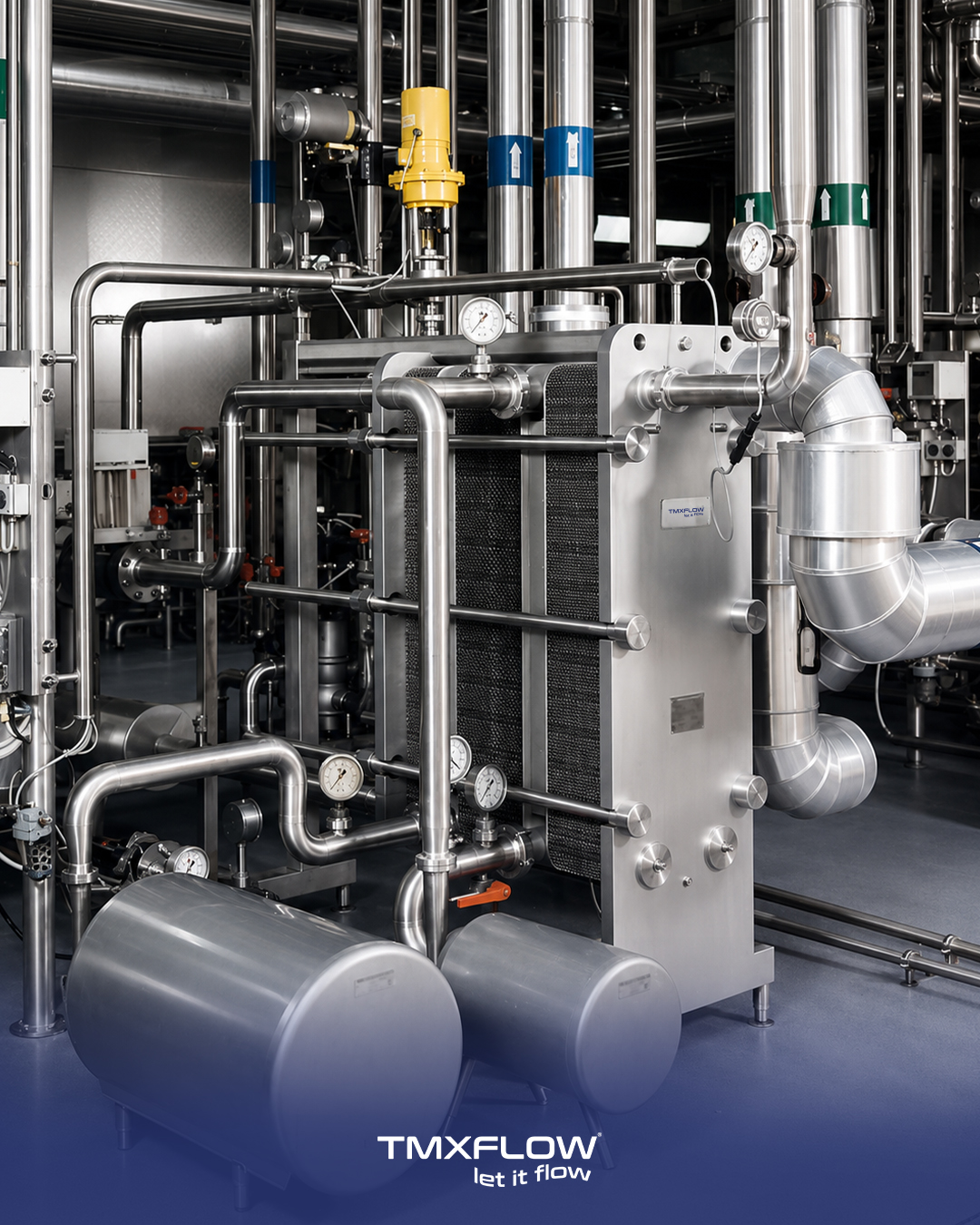
In food manufacturing, every minute of unplanned downtime can result in production losses, product waste, delayed deliveries, and increased operational costs. While many factors contribute to production interruptions, fluid handling equipment often plays a critical role in maintaining continuous and efficient operations.
From transferring ingredients and finished products to supporting cleaning and processing stages, pumps and related equipment are involved in nearly every step of the production process. Ensuring their reliability is essential for maximizing plant uptime.
Common Causes of Downtime in Food Processing
Many production interruptions originate from issues that could be prevented through proper equipment selection and maintenance, such as:
- Pump cavitation caused by incorrect system design
- Seal failures resulting from dry running or excessive wear
- Product characteristics changing during processing, affecting flow performance
- Blockages caused by high-viscosity or particulate products
- Insufficient cleaning leading to contamination risks
- Unexpected component wear due to demanding operating conditions
These issues not only stop production but can also increase maintenance costs and affect product quality.
The Importance of Proper Equipment Selection
Choosing the right pump technology for each application is one of the most effective ways to reduce downtime.
For example:
- High-viscosity products such as chocolate, creams, and fillings often require positive displacement pumps.
- Delicate products containing particulates may benefit from gentle handling technologies.
- CIP (Clean-in-Place) processes demand equipment designed for efficient cleaning and hygienic operation.
- Applications with frequent product changes require flexible systems that can adapt to varying process conditions.
Proper sizing and engineering evaluation help ensure stable performance throughout the equipment’s lifecycle.
Preventive Maintenance Matters
A proactive maintenance strategy can significantly reduce unexpected shutdowns.
Regular inspections of wear components such as:
- Mechanical seals
- Elastomers
- Bearings
- Rotors and stators
- Gearbox components
allow maintenance teams to identify potential failures before they impact production.
Monitoring vibration, temperature, and performance trends can further improve equipment reliability and maintenance planning.
Hygienic Design Supports Continuous Operation
In food production, equipment reliability is closely linked to hygienic design.
Systems designed according to sanitary standards offer:
- Easier cleaning procedures
- Reduced contamination risks
- Faster product changeovers
- Shorter cleaning cycles
- Improved process consistency
These advantages contribute directly to increased production availability and reduced operational interruptions.
Building a More Reliable Production Process
Reducing downtime is not only about reacting quickly when problems occur. It requires a combination of proper equipment selection, preventive maintenance, hygienic design, and process optimization.
By investing in reliable fluid handling systems, food manufacturers can improve operational efficiency, maintain product quality, and achieve higher production uptime.
At TMXFLOW, we support food processors with engineered fluid handling solutions designed for reliability, hygienic performance, and long-term operational efficiency.