
Safety Valves
Safety Valves for great performance
Safe Pressure, Uninterrupted Protection. TSV Safety Valve Keeps You in Control, Safety is With You. Adjustable Power, Maximum Safety!
Industrial Safety Valves Providing Pressure Protection for Critical Systems
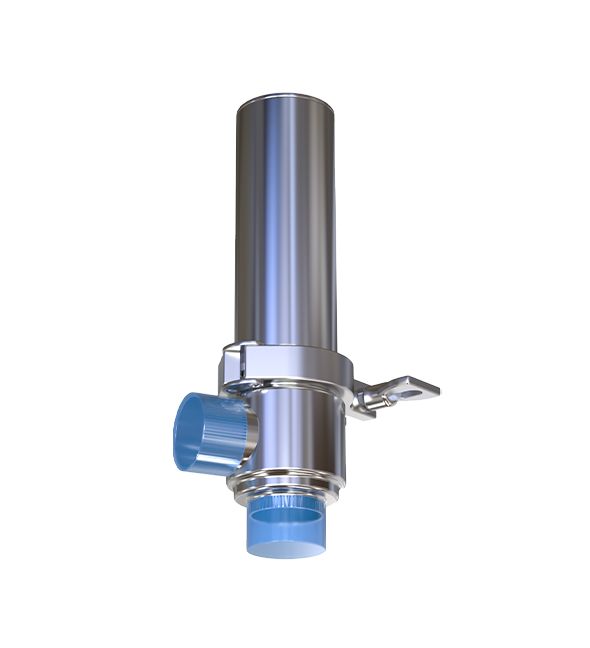
Safety Valves are high-performance, adjustable industrial safety valves that automatically activate in overpressure conditions to maximize system safety. With a durable body structure, precise spring mechanism, and wide adjustable pressure range, they provide a reliable pressure relief valve solution for facilities worldwide.
Discover how Safety Valves can enhance your production line..
Design and Features
Safety valves are engineered according to advanced engineering principles to ensure precise pressure relief performance and maximize system safety.
The compact and robust body structure provides long service life in tough industrial environments. The spring-loaded opening and closing system enables fast and controlled discharge when the defined set pressure is reached.
Key Technical Features
- Adjustable pressure relief (set pressure) mechanism
- Precision spring-loaded opening and closing system
- High-strength, corrosion-resistant metal body
- Stable and consistent discharge capacity
- Optimized internal flow design
- Sealing elements providing minimal leakage
- Easy installation and maintenance
- Manufactured in compliance with industrial standards
Combining durability, precision, and operational reliability, this structure makes Safety Valves an indispensable adjustable safety valve solution for modern facilities.
What Are Safety Valves?
Safety valves are critical safety devices designed to prevent risks that may occur in pressurized systems. In pipelines, boilers, pumps, pressure vessels, and process plants, they automatically open when system pressure exceeds the predetermined set value and safely discharge excess pressure.
Thanks to this mechanism:
- Equipment damage is prevented
- Unplanned downtime is reduced
- Occupational safety risks are minimized
- System integrity is maintained
In modern industry, overpressure protection valve solutions are not only safety equipment but also fundamental components of sustainable production.
Advantages of Safety Valves
Safety valves automatically activate when system pressure exceeds the defined safe operating limit, releasing excess pressure and protecting equipment from potential damage. This feature increases production continuity while significantly reducing workplace safety risks.
With adjustable set pressure, they adapt to different capacities and process requirements, offering a wide range of applications.
Manufactured in compliance with international standards, they simplify technical conformity in projects. Additionally, easy installation and maintenance processes reduce operating costs and provide advantages in total cost of ownership.
With these features, safety valves combine safety, efficiency, and operational continuity.
How Do Safety Valves Work?
A safety valve automatically opens when system pressure exceeds the predetermined set value.
- Pressure increases and balances the spring force.
- When the set pressure is exceeded, the valve disc opens.
- Excess pressure is discharged in a controlled manner.
- When pressure drops to a safe level, the valve closes again.
This automatic cycle protects equipment against sudden pressure increases and continuously maintains system balance.
Which Industries Is It Suitable For?
Safety valves are critical pressure relief solutions in all industries where pressurized systems are used.
Main Application Areas