
Plate Heat Exchangers
Plate Heat Exchangers for great performance
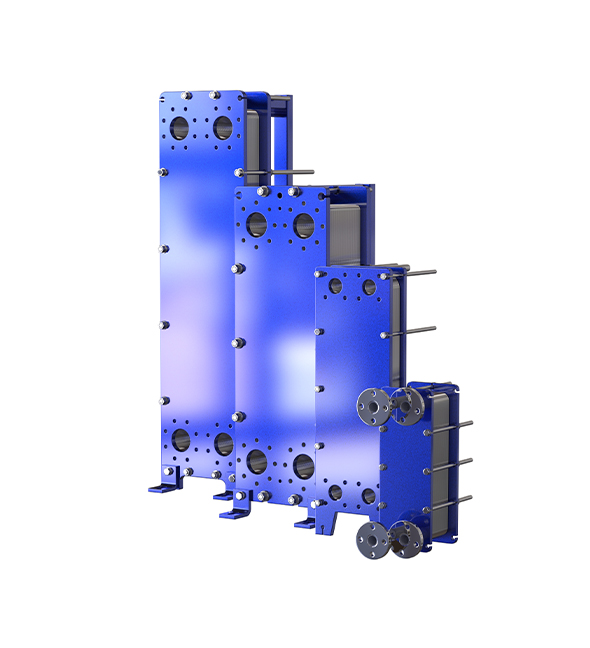
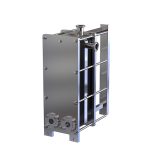
The Gasketed Plate Heat Exchanger is essential for efficient heat transfer in industrial applications. Its design allows for easy maintenance and scalability, making it a cost-effective solution. The gaskets provide a reliable seal, preventing leaks and ensuring optimal performance.
Reliable Plate Heat Exchangers for Energy, HVAC, and Process Systems
Plate Heat Exchangers are compact, performance-oriented heat transfer systems developed to provide highly efficient heat exchange between two different fluids. Thanks to optimized plate geometry, maximum thermal efficiency is achieved while reducing energy consumption and lowering operating costs.
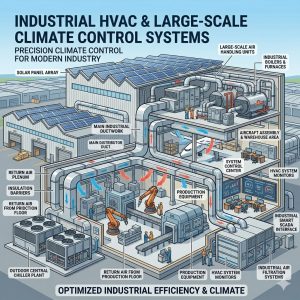
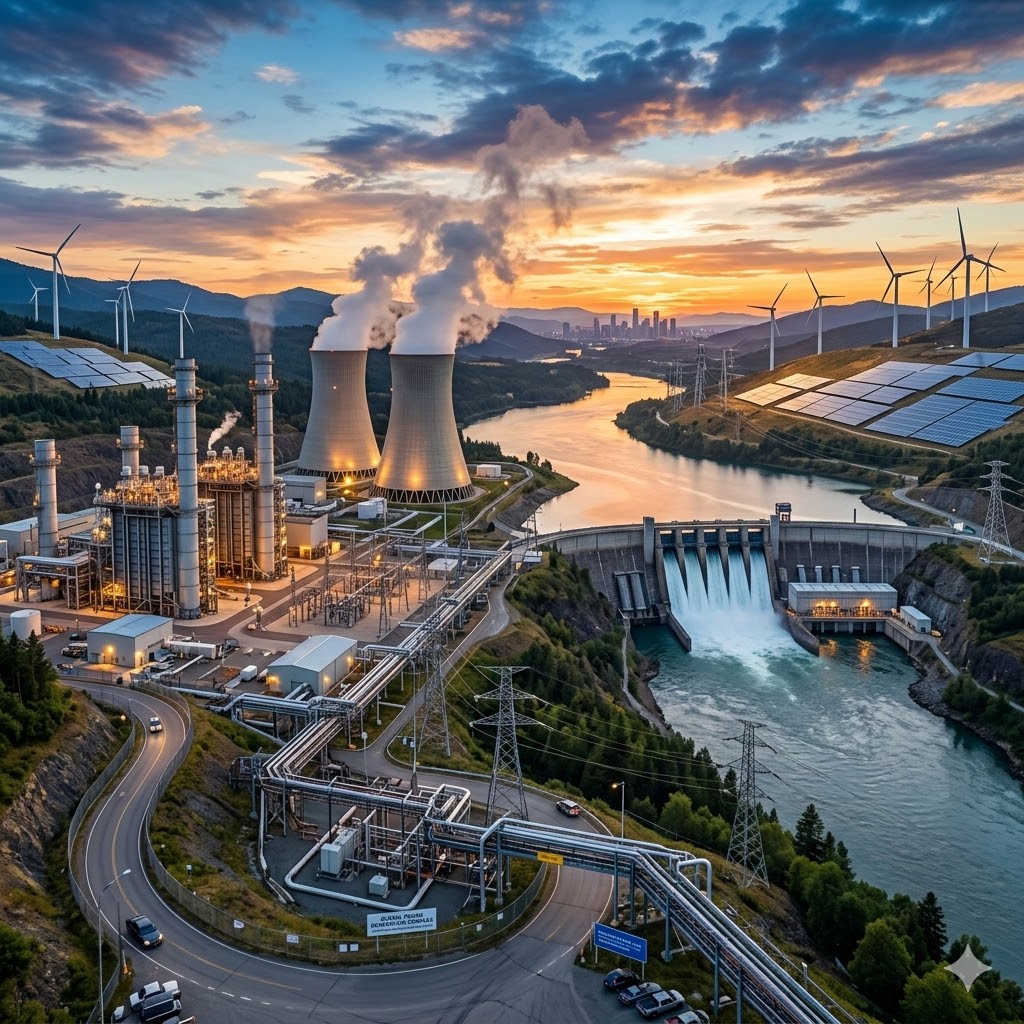
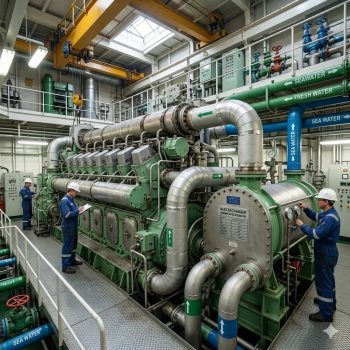
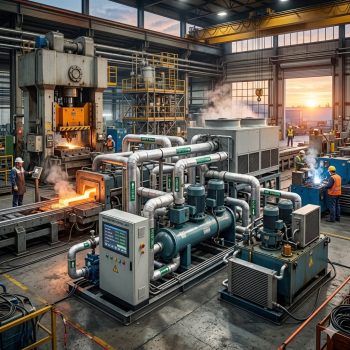
They provide reliable temperature control in a wide range of industrial applications, particularly in HVAC systems, energy plants, chemical processes, and food production lines. Their modular structure allows easy maintenance and supports process continuity.
Discover how Plate Heat Exchangers can enhance your production line.
Design and Features
Our plate heat exchangers are designed to meet high efficiency and flexible application requirements. The corrugated plate structure creates maximum contact surface between fluids, ensuring effective heat exchange.
The number of plates can be increased or reduced, allowing easy capacity adjustments and enabling custom plate heat exchanger solutions tailored to specific projects. The reliable gasket system enhances sealing performance while reducing maintenance needs.
Different material alternatives allow solutions suitable for aggressive fluids and challenging operating conditions. The compact frame design simplifies installation and servicing, supporting overall operational efficiency.
What Is a Plate Heat Exchanger?
A plate heat exchanger is an industrial heat transfer device that allows heat exchange between fluids without mixing them. Thin, specially formed metal plates create separate channels for each fluid. Through the counterflow principle and increased turbulence within these channels, a high heat transfer coefficient is achieved.
Compared to traditional heat exchangers, this system offers a more compact design, faster heating and cooling processes, and higher energy efficiency.
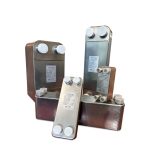
Brazed Heat Exchangers
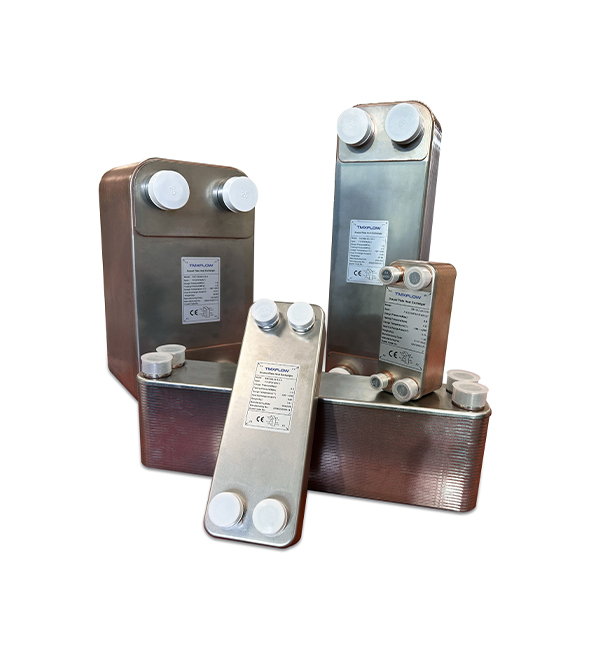
Brazed Plate Heat Exchangers offer easy installation in limited spaces thanks to their compact design, while increasing energy efficiency with high thermal performance. They are particularly preferred in HVAC systems, heat pumps, chiller applications, refrigeration systems, and industrial process lines.
Stainless Steel Heat Exchangers
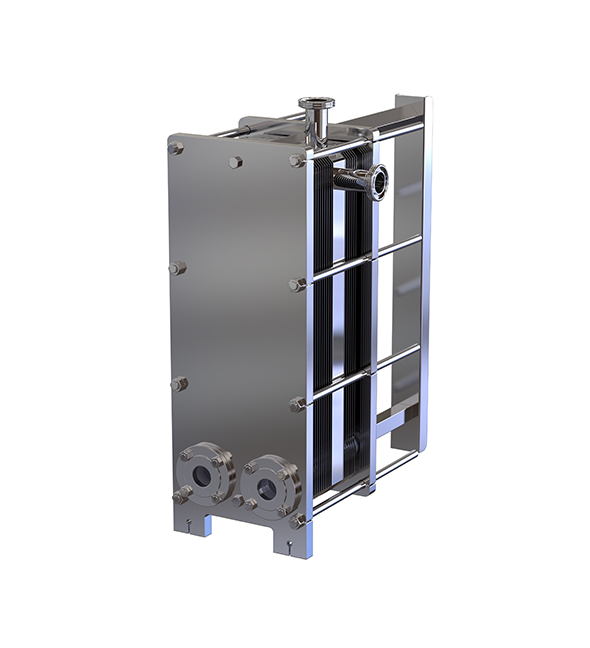
Stainless Steel Heat Exchangers are safely used in chemical, food, beverage, pharmaceutical, energy, and industrial process applications due to their corrosion-resistant structure and hygienic design. The stainless steel body and plate construction provide high resistance against aggressive fluids and harsh operating conditions.
Advantages of Plate Heat Exchangers
Plate heat exchangers are among the preferred solutions in modern industrial heat transfer systems thanks to their high heat transfer capacity and low energy consumption. Their compact design requires less installation space, while the large heat transfer surface area ensures maximum performance.
The modular structure allows for capacity expansion and rapid adaptation to changing process requirements. The removable plate system simplifies maintenance and cleaning procedures, minimizing downtime. With durable material options, they provide long-lasting and reliable performance under high temperatures, pressures, and harsh chemical conditions.
How Does a Plate Heat Exchanger Work?
A gasketed plate heat exchanger operates on the principle of hot and cold fluids flowing through separate channels. The fluids typically move in a counterflow direction, and heat transfer occurs through the thin metal plates between them.
The surface design of the plates creates turbulence within the flow, increasing heat transfer efficiency. This allows high performance to be achieved with lower temperature differences while minimizing energy losses.
Which Industries Is It Suitable For?
Plate heat exchangers are high-performance, energy-efficient heat transfer solutions with a wide range of applications.
Main Application Areas